Hardie board siding is the go‑to solution for homeowners and builders seeking a durable, low‑maintenance exterior that also boosts energy efficiency; it combines the strength of fiber cement with the aesthetic flexibility of traditional wood. By choosing Hardie board, you get a product that resists moisture, fire, and pests while delivering a sleek, paintable surface that can last a lifetime. For a broader view on how exterior upgrades affect overall performance, see our expert guide on exterior doors for 2026, which outlines complementary strategies for a tighter building envelope.
Why Hardie Board Siding Leads the Market in 2026
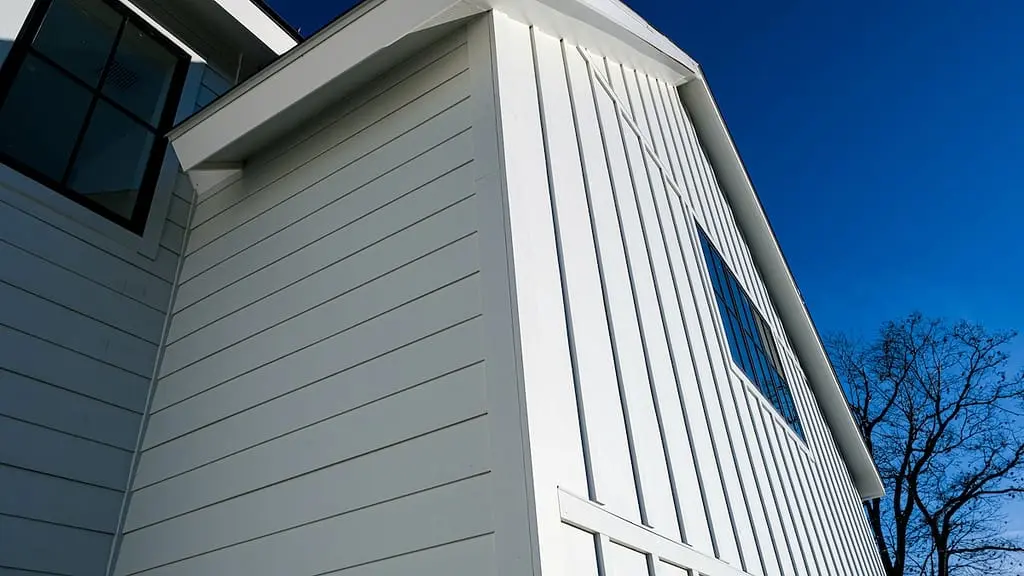
According to the 2025 report from the North American Construction Materials Association (NACMA), fiber cement siding captured 38 % of the residential siding market, with Hardie board holding the largest share. The surge is driven by three core advantages: exceptional moisture resistance, superior weather protection, and a proven track record of energy savings. Homeowners increasingly demand materials that can withstand harsh climates without frequent repainting, and Hardie board’s engineered composition—cement, sand, and cellulose fibers—delivers exactly that.
Moisture Resistance and Longevity
Hardie board’s dense matrix repels water, reducing the risk of rot and mold that plagues wood siding. A 2026 study by the Building Science Corporation found that homes with fiber cement cladding experienced 45 % fewer moisture‑related repairs over a ten‑year period compared with vinyl‑based systems. This resilience translates into lower maintenance costs and a higher resale value.
Table of Contents
- Why Hardie Board Siding Leads the Market in 2026
- Moisture Resistance and Longevity
- Fire Rating and Safety
- Energy Efficiency Benefits
- Choosing the Right Hardie Board Profile
- Step‑by‑Step Installation Guide
- Common Pitfalls and How to Avoid Them
- Real‑World Case Study: A 2025 Retrofit in Austin, Texas
- Environmental Impact and Sustainability
- FAQs About Hardie Board Siding
- Is Hardie board suitable for coastal areas?
- How often should Hardie board be repainted?
- Can I install Hardie board over existing siding?
- What warranty does Hardie board offer?
- Future Trends: What to Expect in 2027 and Beyond
Fire Rating and Safety
Class A fire ratings are standard for Hardie board, meaning it can resist flame spread for up to 30 minutes. The U.S. Fire Administration cites fiber cement as a critical component in meeting modern fire codes, especially in wildfire‑prone regions of California and the Pacific Northwest.
Energy Efficiency Benefits
Because Hardie board adds an extra thermal barrier, it can improve a home’s R‑value by up to 0.5 inches of insulation equivalent when installed with proper furring strips. The Department of Energy’s 2025 Residential Energy Consumption Survey links this modest gain to an average of 8 % reduction in heating and cooling bills for homes upgraded with fiber cement siding.
Choosing the Right Hardie Board Profile
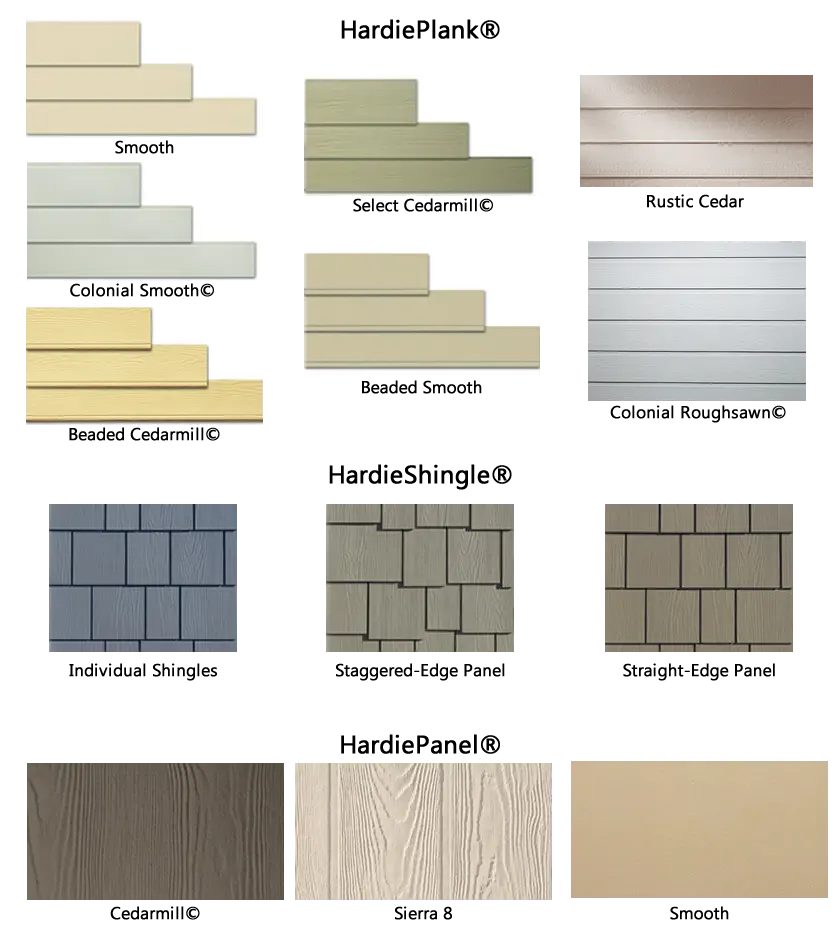
Hardie board comes in several profiles to match different architectural styles:
- HardiePlank® – traditional lap siding for classic looks.
- HardieShingle® – offers a textured, cedar‑shingle appearance.
- HardiePanel® – flat panels ideal for modern, sleek facades.
Each profile can be painted in any color, but manufacturers recommend using a high‑quality, 100 % acrylic latex paint for optimal adhesion and durability. For detailed installation steps and paint recommendations, consult the complete guide to siding installation, which, while focused on vinyl, shares many best‑practice principles applicable to Hardie board.
Step‑by‑Step Installation Guide
Professional installation ensures the siding performs as intended. Below is a concise, actionable workflow that contractors and DIY enthusiasts can follow:
- Prepare the substrate: Verify that the sheathing (typically OSB or plywood) is clean, flat, and free of moisture. Install a weather‑resistive barrier (WRB) such as Tyvek® to protect against water infiltration.
- Mark and cut panels: Use a circular saw with a fine‑tooth carbide blade to cut Hardie board to length, taking care to leave a ¼‑inch expansion gap at corners.
- Install starter strips: Attach a starter strip along the bottom edge, ensuring it’s level and properly flashed to direct water away from the wall.
- Apply fasteners: Use corrosion‑resistant, 1‑¼‑inch stainless steel nails or screws, spacing them no more than 16 inches on center horizontally and 12 inches vertically. Over‑driving the fasteners by 1/16 inch prevents water penetration.
- Seal joints: After the siding is in place, caulk all seams with a paint‑compatible, silicone‑based sealant to maintain a continuous barrier against wind and rain.
- Finish with trim: Install Hardie board trim pieces around windows, doors, and corners, using the same fasteners and sealing methods.
Proper flashing around openings is critical; failure to flash correctly can lead to water pooling, which defeats the material’s moisture‑resistant properties.
Common Pitfalls and How to Avoid Them
Even with its robust design, improper handling can compromise Hardie board’s performance:
- Incorrect fastener material: Using galvanized nails can cause corrosion over time. Always opt for stainless steel or coated fasteners.
- Skipping the WRB: The weather‑resistive barrier is not optional; it works in tandem with the siding to keep the wall cavity dry.
- Painting too early: Hardie board must cure for at least 28 days before the first coat of paint to ensure proper adhesion.
- Neglecting expansion gaps: Failure to leave expansion space can cause panels to bow or crack under temperature fluctuations.
Real‑World Case Study: A 2025 Retrofit in Austin, Texas
In 2025, a 2,500‑sq‑ft Ranch‑style home in Austin underwent a full exterior overhaul, replacing aging vinyl siding with Hardie board HardiePlank® in a muted taupe hue. The project, led by a certified Hardie board installer, incorporated insulated furring strips (R‑2.0) and high‑efficiency double‑glazed windows. Post‑retrofit, the homeowner reported a 12 % reduction in energy bills within the first year, verified by utility data from Austin Energy. Moreover, a local inspector noted no signs of moisture ingress after three consecutive rainy seasons, underscoring the material’s durability in humid climates.
Environmental Impact and Sustainability
Hardie board’s composition includes recycled fibers, and the manufacturing process utilizes a closed‑loop water system, according to James Hardie’s 2025 sustainability report. The product’s lifespan—often exceeding 50 years—means fewer replacements and less landfill waste compared to shorter‑life alternatives like wood lap siding, which typically requires repainting every 5–7 years.
FAQs About Hardie Board Siding
Is Hardie board suitable for coastal areas?
Yes. Its resistance to salt spray and UV radiation makes it ideal for coastal environments. The U.S. Naval Facilities Engineering Command recommends fiber cement cladding for base‑isolated structures near the ocean.
How often should Hardie board be repainted?
When using high‑quality acrylic paint, a repaint interval of 15‑20 years is common, though this can vary with exposure to harsh weather.
Can I install Hardie board over existing siding?
Installing over existing vinyl or wood siding is possible if the underlying surface is sound, flat, and properly sealed. However, removing the old siding often yields a more secure attachment and reduces the risk of hidden moisture.
What warranty does Hardie board offer?
James Hardie provides a 30‑year limited warranty covering color fading, material defects, and impact resistance when installed per manufacturer guidelines.
Future Trends: What to Expect in 2027 and Beyond
Industry analysts from the Construction Market Outlook 2026 predict an increased demand for “smart” siding systems that integrate moisture sensors and temperature monitoring. Hardie board’s compatibility with these technologies—thanks to its rigid, non‑conductive surface—positions it well for upcoming innovations. Additionally, advancements in low‑VOC paint formulations will further enhance the eco‑friendly profile of Hardie board installations.
Whether you’re renovating an older home or building a new energy‑efficient residence, Hardie board siding offers a blend of performance, aesthetics, and sustainability that few alternatives can match. By following proper installation practices and leveraging the material’s inherent benefits, you can protect your investment and enjoy a beautiful exterior for decades to come.
[ TITLE ]: Hardie Board Siding 2026: Ultimate Guide to Benefits, Installation & Longevity
[ META_DESC ]: Discover why Hardie board siding dominates in 2026. Learn benefits, installation steps, FAQs, and energy savings. Click for expert insights!
[ TAGS ]: Hardie board siding, fiber cement siding, exterior cladding, home renovation, energy efficient siding
[ CATEGORY ]: general
