For homeowners and designers seeking the look of solid stone without the structural load or expense, stone veneer offers the perfect compromise; it delivers authentic texture, durability, and curb‑appeal while remaining lightweight and cost‑effective. By applying a thin layer of natural or engineered stone over a conventional substrate, you can transform any exterior façade in just a few days—making it one of the fastest ways to boost property value in 2026.
What Is Stone Veneer and How Does It Differ From Traditional Stone?
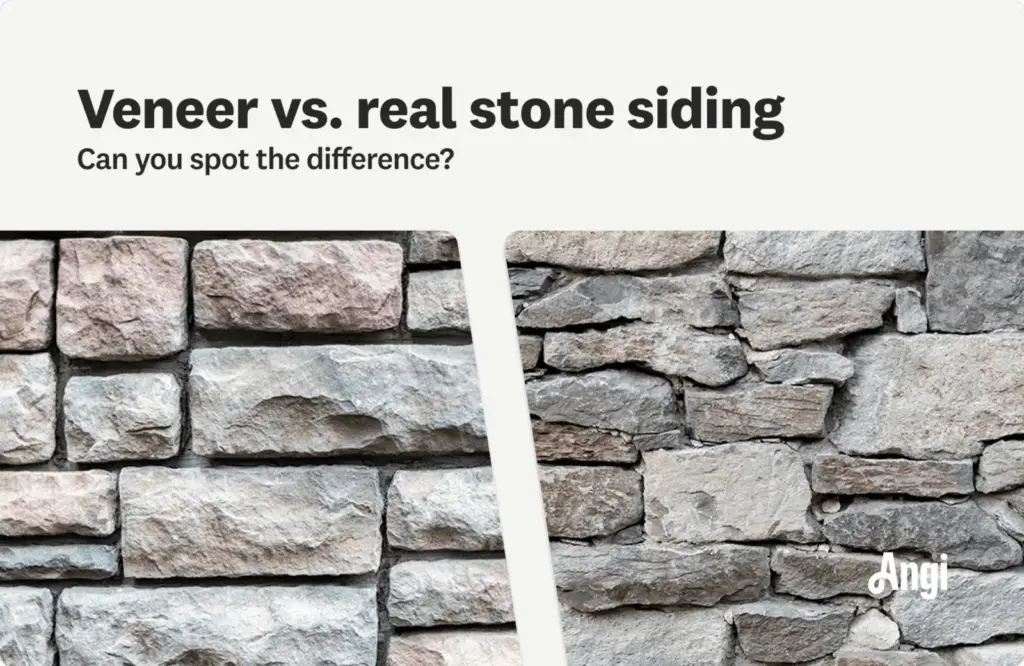
Stone veneer is a thin slab—usually ½ to 2 inches thick—crafted from real quarry stone, manufactured stone, or a composite mix. Unlike full‑depth stone, which requires deep footings and heavy structural support, veneer is adhered to walls using a mortared installation system or mechanical anchors. This distinction means:
- Reduced labor time (often 30–40 % faster than full stone)
- Lower material cost (average $12–$25 per square foot versus $30–$60 for solid stone)
- Compatibility with most existing wall assemblies, including wood, concrete, and brick.
Why Stone Veneer Is Gaining Momentum in 2026
According to the National Association of Home Builders (NAHB) 2025 market analysis, the residential exterior finish segment grew by 7 % YoY, with stone veneer accounting for 22 % of that expansion. The surge is driven by three key factors:
Table of Contents
- What Is Stone Veneer and How Does It Differ From Traditional Stone?
- Why Stone Veneer Is Gaining Momentum in 2026
- Choosing the Right Stone Veneer for Your Project
- Material Type
- Installation Method
- Finish and Texture
- Cost Considerations and ROI
- Step‑by‑Step Guide to Installing Stone Veneer
- 1. Preparation
- 2. Installing a Bonding Agent
- 3. Setting the Veneer
- 4. Grouting and Finishing
- 5. Sealing (Optional)
- Common Pitfalls and How to Avoid Them
- Integrating Stone Veneer With Other Exterior Elements
- Environmental Impact and Sustainability
- Future Trends to Watch in 2026 and Beyond
- FAQ – Quick Answers to Common Questions
- Is stone veneer suitable for DIY installation?
- How long does stone veneer last?
- Can stone veneer be applied over existing siding?
- What maintenance does stone veneer require?
- Does stone veneer improve energy efficiency?
- Conclusion: Is Stone Veneer the Right Choice for Your Next Project?
- Energy efficiency: Many veneer systems now incorporate a thermal break layer, helping homes meet the 2025 International Energy Conservation Code (IECC) standards.
- Design flexibility: Architects can mimic high‑end natural stone cladding in a palette of colors, textures, and finishes, from rustic fieldstone to sleek honed limestone.
- Sustainability: Engineered veneers often use recycled aggregates, reducing quarry waste by up to 40 % (U.S. Geological Survey, 2025).
Choosing the Right Stone Veneer for Your Project
When selecting a veneer, consider the following criteria—each aligns with the broader goals of durability, aesthetics, and budget.
Material Type
- Natural stone veneer: Cut from real quarry stone (e.g., slate, sandstone). Offers genuine feel but can be heavier.
- Manufactured stone veneer: Cast from cement, polymers, and aggregates. Lighter and often pre‑finished.
- Hybrid panels: Combine thin stone layers with a backing board for ultra‑lightweight applications.
Installation Method
Two primary approaches dominate the market:
- Mortared installation: Traditional method using a polymer‑enhanced mortar. Ideal for uneven surfaces and historic restorations.
- Mechanical fastening: Clips or brackets secure the panels to the substrate, speeding up the process and allowing for easier repairs.
Finish and Texture
From hand‑chiseled architectural stone to smooth honed surfaces, the finish influences both visual impact and water shedding. In rainy climates, a slightly rough texture improves runoff, reducing moisture intrusion.
Cost Considerations and ROI
Based on the U.S. Census Bureau’s 2025 construction cost survey, the average installed cost for stone veneer ranges from $12 to $30 per square foot, inclusive of materials, labor, and finishing. While this is higher than vinyl siding (≈ $5–$9/sq ft), the projected resale premium is compelling: the Realtor.com 2025 Home Improvement ROI report shows a 6.5 % increase in home value for properties featuring stone veneer on the front elevation.
Step‑by‑Step Guide to Installing Stone Veneer
Below is a concise, actionable workflow for a typical exterior wall. Always verify local building codes and consult a structural engineer if your wall bears heavy loads.
1. Preparation
- Inspect the substrate for cracks, moisture, and levelness; repair any defects.
- Apply a waterproofing membrane (e.g., self‑adhered bituminous sheet) to protect against moisture migration.
- Mark layout lines using a laser level to ensure even rows.
2. Installing a Bonding Agent
Spread a ¼‑inch layer of polymer‑enhanced mortar across a 3‑foot section, using a notched trowel. For lightweight veneer panels, a high‑adhesion bonding agent may be preferable to reduce weight stress.
3. Setting the Veneer
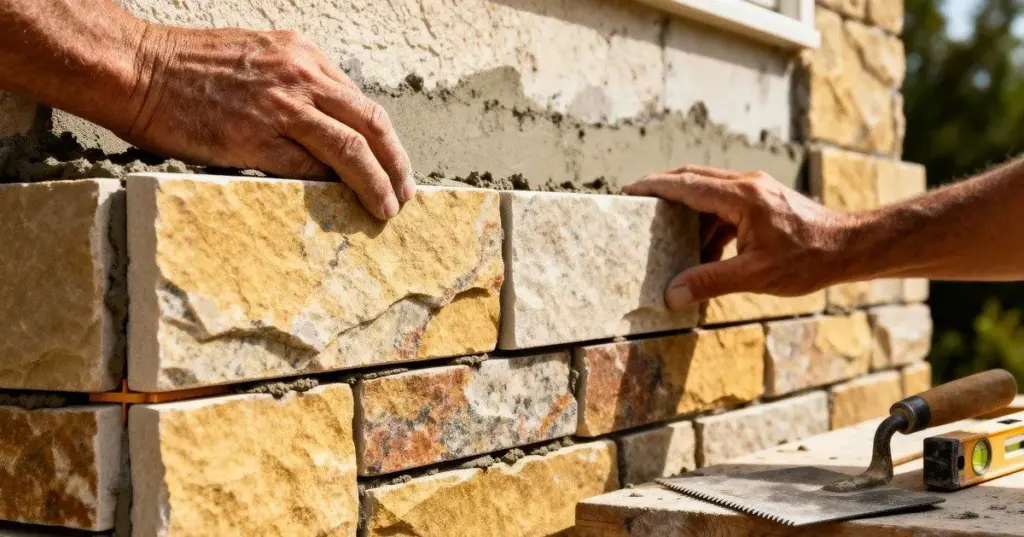
- Press the first stone piece firmly into the mortar, tapping gently with a rubber mallet to seat it.
- Maintain a ¼‑inch vertical joint and a ⅛‑inch horizontal joint; use spacers for consistency.
- Stagger joints (running bond) to emulate authentic masonry.
4. Grouting and Finishing
After the mortar cures (usually 24 hours), fill joints with a matching grout. Sweep excess grout off the stone surface, then rinse with a low‑pressure water hose.
5. Sealing (Optional)
Apply a breathable stone sealer if the veneer is installed in high‑humidity zones; this enhances water repellency while allowing vapor diffusion.
Common Pitfalls and How to Avoid Them
- Improper substrate preparation: Skipping waterproofing leads to moisture buildup and spalling.
- Excessive mortar thickness: Too much mortar can cause cracking under thermal movement.
- Neglecting expansion joints: For large wall areas (>200 sq ft), include a control joint every 10‑12 ft to accommodate building movement.
- Using the wrong anchor system on lightweight panels: Over‑tightening mechanical clips can crush the veneer.
Integrating Stone Veneer With Other Exterior Elements
Stone veneer works best when coordinated with complementary finishes. For instance, pairing it with a high‑performance siding system can create a balanced façade that leverages both texture and energy efficiency. Likewise, selecting a matching entry door material—such as a wood‑grain fiberdoor—provides a cohesive visual narrative.
Environmental Impact and Sustainability
When sourced responsibly, stone veneer contributes to a lower carbon footprint than full‑depth stone. The U.S. Environmental Protection Agency (EPA) 2025 Green Building Report notes that engineered stone veneers emit 30 % fewer CO₂ equivalents during production, primarily due to reduced quarry extraction and transport weight.
Future Trends to Watch in 2026 and Beyond
Industry forecasts from Builder Online highlight three emerging developments:
- Digital printing on veneer panels: Enables custom motifs, from city skylines to brand logos, while retaining stone texture.
- Integrated insulation cores: Some manufacturers embed rigid foam within the panel, boosting R‑value by up to 2.5.
- Smart maintenance coatings: Nanotech sealants that self‑clean and resist graffiti are gaining market share in urban projects.
FAQ – Quick Answers to Common Questions
Is stone veneer suitable for DIY installation?
While the basic steps are straightforward, professional installation is recommended for large surfaces or when using full‑depth natural stone veneer, due to the need for precise mortar mixes and structural considerations.
How long does stone veneer last?
With proper installation and maintenance, veneer can exceed 50 years. Regular cleaning (annual low‑pressure wash) and resealing every 5–7 years help preserve color and integrity.
Can stone veneer be applied over existing siding?
Yes, provided the existing siding is in good condition, securely attached, and a moisture barrier is installed beneath the veneer.
What maintenance does stone veneer require?
Beyond periodic washing, inspect joints for mortar degradation and replace any cracked pieces promptly to prevent water infiltration.
Does stone veneer improve energy efficiency?
When combined with an insulated backer board or thermal break, veneer can improve wall R‑values by 0.5–1.0, contributing to lower heating and cooling bills.
Conclusion: Is Stone Veneer the Right Choice for Your Next Project?
Stone veneer bridges the gap between aesthetic ambition and practical constraints, delivering a premium look without the prohibitive weight and cost of solid stone. By selecting the appropriate material type, installation method, and complementary exterior finishes, homeowners can achieve a durable, energy‑smart, and visually striking façade that stands the test of time. For a holistic exterior upgrade, consider integrating stone veneer with high‑quality siding, energy‑efficient doors, and professional painting services to maximize both curb appeal and long‑term value.
For additional guidance on coordinating your stone veneer with other exterior upgrades, see our 2026 guide to hiring exterior painters and learn how proper surface preparation can enhance both paint and stone applications.
For a deeper dive into the history and geology of the stones commonly used in veneer, consult the Wikipedia entry on stone veneer.
