Homeowners looking to maximize natural light, improve indoor‑outdoor flow, and boost resale value turn to sliding patio doors as the most efficient solution. Modern sliding doors combine sleek aesthetics with advanced thermal performance, making them a smart investment for energy savings and curb appeal. By understanding frame materials, glass technology, and proper installation, you can choose a system that meets both design goals and climate demands. For a deeper dive into related exterior upgrades, see our expert guide on exterior doors which outlines complementary options for a cohesive façade.
Why Sliding Patio Doors Remain a Top Choice in 2026
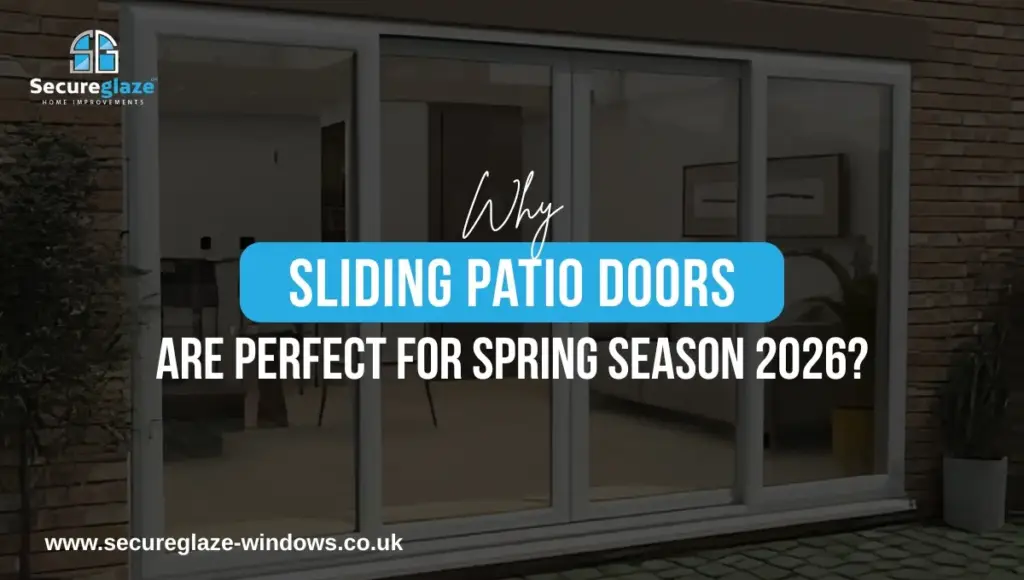
According to the 2026 Home Improvement Market Report by the National Association of Home Builders (NAHB), sliding patio doors accounted for 27% of all new window‑door installations, a 3‑point increase from 2024. Their popularity stems from three core advantages:
- Space efficiency: Unlike hinged doors, sliding units require no swing arc, freeing up interior and exterior square footage.
- Energy performance: Advanced low‑E glass and thermally broken frames can achieve U‑values as low as 0.30 Btuh/ft²·°F, rivaling high‑performance windows.
- Versatility in design: From minimalist aluminum frames to rustic wood‑clad options, sliding doors adapt to diverse architectural styles.
Materials That Define Performance
The frame material largely determines durability and thermal break efficiency. In 2026, the most common choices are:
Table of Contents
- Why Sliding Patio Doors Remain a Top Choice in 2026
- Materials That Define Performance
- Glass Technologies Driving Energy Efficiency
- Choosing the Right Sliding Patio Door for Your Home
- Real‑World Example: A Mid‑Century Modern Renovation
- Installation Best Practices to Maximize Longevity
- Pre‑Installation Planning
- During Installation
- Post‑Installation Checks
- Common Mistakes and How to Avoid Them
- Financial Incentives and ROI
- FAQ – Quick Answers to Common Queries
- Do sliding patio doors compromise security?
- Can I install a sliding door in an existing wall?
- How often should I replace weather‑stripping?
- Are there eco‑friendly options?
- Future Trends Shaping Sliding Patio Doors
- Conclusion – Making the Right Choice
- Aluminum frame sliding doors: Lightweight, corrosion‑resistant, and often equipped with a thermal break that reduces heat transfer by up to 45% compared with traditional aluminum.
- Vinyl frames: Offer excellent insulation (R‑value ≈ 3.5) and require minimal maintenance, aligning with the trends highlighted in our Vinyl Siding 2026 guide.
- Fiberglass frames: Provide strength comparable to aluminum but with superior thermal performance, making them ideal for extreme climates.
Glass Technologies Driving Energy Efficiency
Today’s sliding patio doors feature sophisticated glazing options that directly impact heating and cooling loads:
- Double‑glazed glass patio doors: Two panes separated by a sealed air or argon chamber, cutting conductive heat loss by up to 30%.
- Low‑E (low‑emissivity) coatings: Reflect infrared radiation while allowing visible light, further decreasing energy consumption.
- Smart glass with thermostatic control: Automatically adjusts tint based on sunlight intensity, reducing glare and solar heat gain.
Choosing the Right Sliding Patio Door for Your Home
Selection should be guided by climate, orientation, and usage patterns. Below is a step‑by‑step framework to help you decide:
- Assess climate zone: In hot, humid regions, prioritize doors with high solar heat rejection (SHGC < 0.30). In colder zones, focus on low U‑value glazing to retain heat.
- Determine opening width: Standard openings range from 5 to 8 feet. Custom configurations up to 12 feet are available but may require additional structural support.
- Choose frame material: Match the frame to your home’s exterior cladding. For example, an aluminum frame complements contemporary steel siding, while wood‑grain finishes blend with traditional brick.
- Evaluate hardware quality: Look for multi‑point locking systems, soft‑close rollers, and weather‑stripping rated for at least 20 years of exposure.
- Consult local building codes: Verify egress requirements, especially for ground‑floor units, to ensure compliance with safety standards.
Real‑World Example: A Mid‑Century Modern Renovation
In a 2025 case study published by the Green Building Council of America, a 2,400 sq ft home in Portland, OR replaced a fixed picture window with a 6‑foot aluminum frame sliding patio door featuring double‑glazed low‑E glass. The upgrade resulted in a 12% reduction in annual heating bills and earned a 0.5‑point improvement on the Home Energy Rating System (HERS) index.
Installation Best Practices to Maximize Longevity
Even the most advanced sliding door can underperform if installed incorrectly. Follow these professional guidelines, many of which are echoed in the James Hardie Siding 2026 ultimate guide for related exterior systems:
Pre‑Installation Planning
- Verify structural integrity of the opening; reinforce headers if the span exceeds 8 feet.
- Install a vapor barrier and continuous insulation on the interior side to prevent condensation.
- Use a level and plumb reference to ensure the track sits perfectly horizontal.
During Installation
- Apply silicone‑based sealant to the flange before setting the door to create a watertight seal.
- Secure the rollers to the track with stainless‑steel fasteners, avoiding over‑tightening which can impede smooth operation.
- Check for proper clearance (typically 1/8 in) between the glass panel and frame to allow expansion without binding.
Post‑Installation Checks
- Test the door’s operation at least three times, confirming that the soft‑close mechanism engages evenly.
- Inspect weather‑stripping for gaps; replace any compromised sections immediately.
- Schedule an annual maintenance visit to lubricate rollers and tighten hardware as needed.
Common Mistakes and How to Avoid Them
Even seasoned contractors can fall into traps that compromise performance. Recognize these pitfalls early:
- Neglecting thermal break installation: Without it, aluminum frames can become thermal bridges, dramatically increasing heat loss.
- Improper sealing: Skipping high‑quality sealants leads to water infiltration, which can cause rot in wood frames or corrosion in metal components.
- Choosing the wrong glass thickness: Thin panes may flex under wind load, leading to seal failure and reduced acoustic insulation.
- Ignoring local wind‑load codes: In hurricane‑prone zones, doors must meet impact‑resistance standards such as Miami‑Dade County’s H1 rating.
Financial Incentives and ROI
Many municipalities offer rebates for energy‑efficient upgrades. For instance, the California Energy Commission’s 2026 “Clean Energy Home Upgrade” program provides up to $1,200 back for installing low‑U‑value sliding patio doors. According to a 2025 analysis by the Department of Energy (DOE), homeowners can recoup 65% of the installation cost through reduced utility bills within five years.
FAQ – Quick Answers to Common Queries
Do sliding patio doors compromise security?
Modern units feature multi‑point locking systems with reinforced steel bolts, meeting or exceeding ANSI/BHMA Grade 1 standards. Adding a laminated security glass layer further deters forced entry.
Can I install a sliding door in an existing wall?
Yes, but it often requires cutting a structural opening and reinforcing the header. Engaging a licensed contractor ensures compliance with local building codes and preserves the wall’s load‑bearing capacity.
How often should I replace weather‑stripping?
High‑quality silicone or EPDM strips typically last 10‑12 years. However, in extreme climates or heavy usage scenarios, inspect annually and replace any cracked sections.
Are there eco‑friendly options?
Frames made from recycled aluminum and glass with a high recycled content (up to 70%) are certified by the Sustainable Materials Institute. Pairing these with low‑E glazing maximizes both environmental and energy benefits.
Future Trends Shaping Sliding Patio Doors
Looking ahead, three innovations are set to redefine the market:
- Integrated smart home sensors: Doors equipped with temperature, humidity, and occupancy sensors can communicate with HVAC systems for automated climate control.
- Hybrid framing systems: Combining wood veneers with composite cores offers the aesthetic warmth of wood and the durability of engineered materials.
- Photovoltaic glazing: Experimental thin‑film solar cells embedded in glass generate electricity while maintaining transparency, a concept under trial by the National Renewable Energy Laboratory (NREL) in 2026.
By staying informed about these developments, homeowners can future‑proof their investments and maintain a cutting‑edge living environment.
Conclusion – Making the Right Choice
Sliding patio doors are more than a stylish entryway; they are a strategic component of an energy‑efficient, secure, and aesthetically cohesive home. Evaluate climate demands, frame and glass technologies, and reputable installation practices to ensure lasting performance. With the right selection, you’ll enjoy brighter interiors, lower utility costs, and a boost in property value—benefits that endure for decades.
For homeowners also considering siding upgrades, explore why Hardie Board siding leads the market in 2026 and how it complements the thermal envelope created by high‑performance sliding doors.
For a comprehensive overview of sliding door standards, refer to the Wikipedia entry on sliding doors, which provides historical context and technical specifications.
