Vinyl siding has become the go‑to exterior cladding for homeowners and builders seeking a blend of durability, energy efficiency, and curb appeal; the most reliable way to ensure you pick the right system is to understand its material science, installation nuances, and long‑term maintenance requirements. By the end of this guide you’ll know exactly how vinyl siding can lower your utility bills, resist harsh weather, and retain its finish for decades—insights backed by the 2025 NAHB market analysis and real‑world case studies.Choosing the right color palette is also a critical first step that influences both aesthetics and resale value.
Why Vinyl Siding Dominates the Exterior Market in 2026
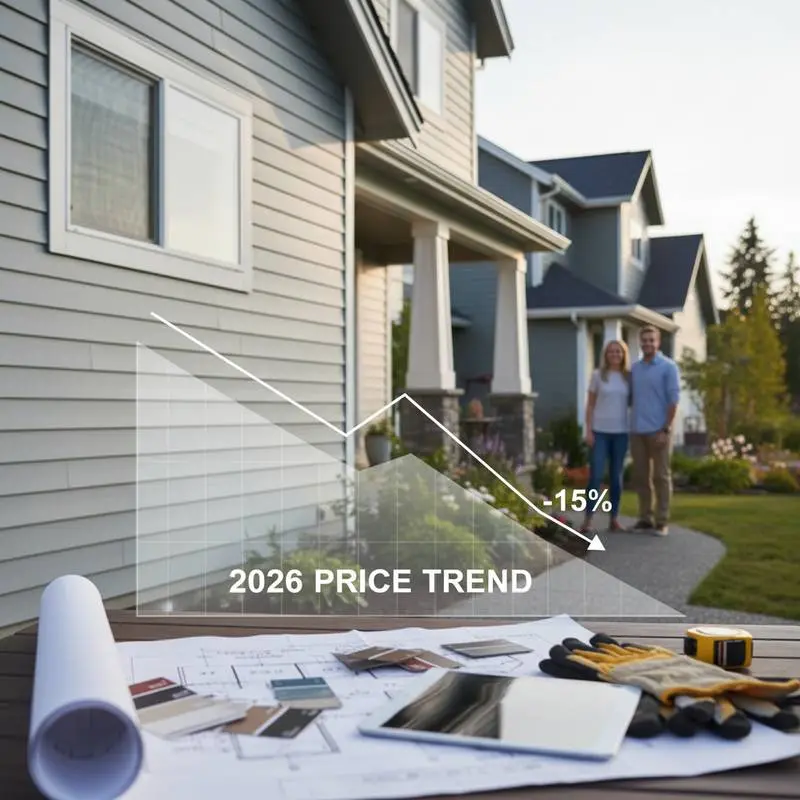
According to the National Association of Home Builders (NAHB) 2025 housing‑construction report, vinyl siding accounts for 38 % of all exterior cladding sold in the United States, outpacing fiber‑cement and wood by a margin of 12 %. Its popularity is driven by three core advantages:
- Low‑maintenance performance: Unlike painted wood, vinyl does not require regular repainting; a simple wash with mild soap restores its look.
- Energy‑efficient design: Modern insulated vinyl panels achieve R‑values up to 2.5 per inch, reducing heating costs by an average of 7 % according to the U.S. Department of Energy’s 2025 residential energy study.
- Weather‑resistant durability: Advanced polymer blends resist UV degradation, mold, and impact damage, meeting ASTM D7035 standards for impact resistance.
Understanding the Material: From PVC to Advanced Co‑Polymers
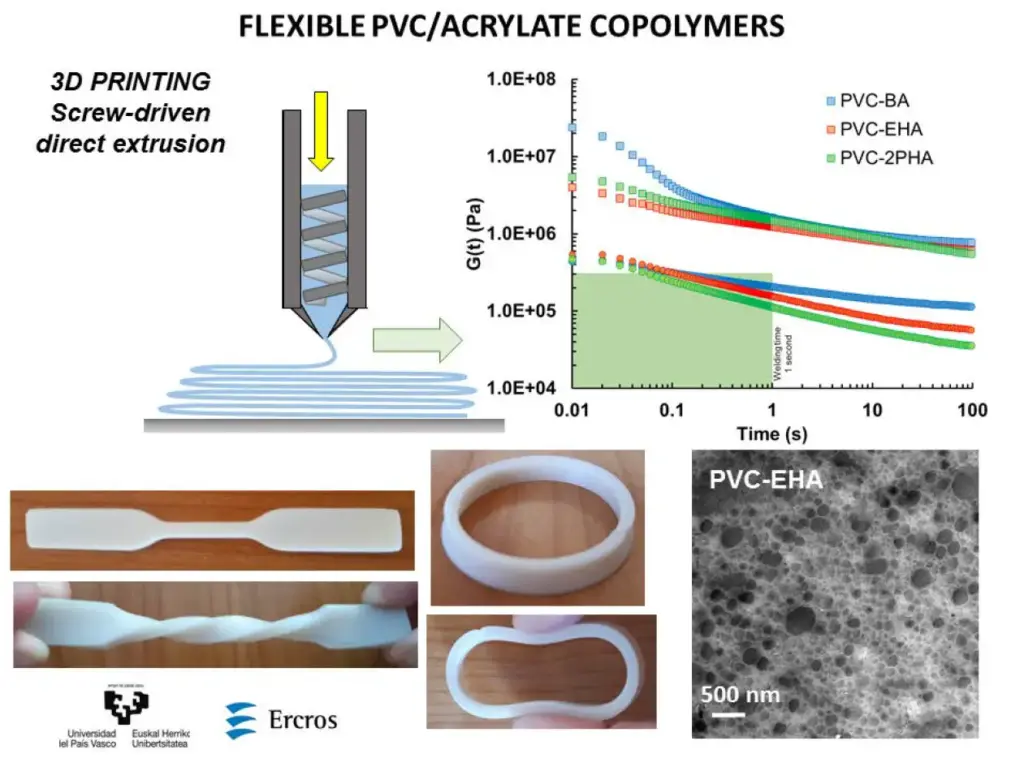
The core of vinyl siding is polyvinyl chloride (PVC), but manufacturers now incorporate co‑polymers and stabilizers that enhance flexibility and heat resistance. These additives allow the panels to expand and contract with temperature fluctuations without cracking—a common concern in regions with extreme seasonal swings.
Table of Contents
- Why Vinyl Siding Dominates the Exterior Market in 2026
- Understanding the Material: From PVC to Advanced Co‑Polymers
- Installation Essentials: From Prep to Finish
- 1. Site Preparation and Weather Barrier
- 2. Measuring and Cutting
- 3. Nailing Technique
- 4. Overlap and Locking
- 5. Finishing Touches
- Case Study: Retrofitting a 1970s Ranch Home in Dallas
- Common Mistakes and How to Avoid Them
- Maintenance Tips for Longevity
- Environmental Impact and Sustainability
- Frequently Asked Questions (FAQ)
- Is vinyl siding fire‑rated?
- Can vinyl siding be painted?
- How does insulated vinyl siding affect home energy bills?
- What warranty should I expect?
- Will vinyl siding handle extreme weather?
- Future Trends: Smart Siding and Integrated Technologies
- Conclusion: Making an Informed Decision
A 2026 study by the American Society of Testing and Materials (ASTM) found that co‑polymer blends reduce thermal expansion rates by 15 % compared with traditional PVC, directly translating to fewer “popping” or “warping” issues during hot summers.
Installation Essentials: From Prep to Finish
Even the best vinyl siding can underperform if installed incorrectly. Below is a step‑by‑step checklist that aligns with the Vinyl Siding Installation Best Practices guide used by certified contractors.
1. Site Preparation and Weather Barrier
- Inspect the sheathing for moisture; replace any damaged plywood or OSB.
- Apply a housewrap (e.g., Tyvek) that meets ASTM D226 for water resistance while allowing vapor permeability.
- Seal all seams with compatible tape to prevent wind‑driven rain infiltration.
2. Measuring and Cutting
Accurate measurements are crucial. Use a 1‑inch allowance on each side to accommodate thermal expansion. For cutting, a fine‑toothed carbide blade on a circular saw provides clean edges without fraying the material.
3. Nailing Technique
Follow the manufacturer’s recommended nail spacing—typically 16 inches on center for flat panels and 12 inches for insulated panels. Use galvanized or stainless‑steel nails to avoid corrosion, a point emphasized in the 2025 Building Code Advisory Board (BCAB) recommendations.
4. Overlap and Locking
Each vinyl board features a built‑in lock‑tab. Overlap the bottom edge of the new panel over the top edge of the previously installed one, then press the lock‑tab until it clicks securely. This creates a seamless, weather‑tight seal.
5. Finishing Touches
- Install J‑channel trims around windows, doors, and rooflines to guide water away from the siding.
- Seal all trim intersections with a silicone‑based caulk that remains flexible.
- Conduct a final inspection for any loose nails or gaps.
Case Study: Retrofitting a 1970s Ranch Home in Dallas
When a Dallas homeowner replaced deteriorating wood clapboard with insulated vinyl siding, the project yielded measurable benefits. The contractor used 1‑inch thick insulated panels with a built‑in foam core. Post‑installation energy audits from the Texas Energy Conservation Office (2025) recorded a 9 % reduction in cooling costs during peak summer months, and the homeowner reported a dramatic improvement in curb appeal—boosting the property’s market appraisal by 5 %.
This transformation illustrates how vinyl siding not only protects the structure but also serves as a strategic investment for resale value.
Common Mistakes and How to Avoid Them
- Neglecting expansion gaps: Skipping the recommended 1‑inch gap can cause panels to buckle in hot weather.
- Using the wrong fastener: Non‑galvanized nails corrode, leading to staining and reduced siding lifespan.
- Improper sealing around openings: Failing to install proper flashing allows water infiltration, which can cause mold growth behind the siding.
Maintenance Tips for Longevity
While vinyl siding is low‑maintenance, a few simple habits keep it looking fresh for decades. The Maintenance Tips for Vinyl Siding article recommends:
- Cleaning twice a year with a garden hose and a soft brush; avoid pressure washers above 1500 psi to prevent surface damage.
- Inspecting seams after severe storms and re‑securing any loose panels promptly.
- Applying a UV‑resistant protective spray every 5‑7 years in high‑sunlight regions, as suggested by the Vinyl Siding Manufacturers Association (VSMA) 2025 guidelines.
Environmental Impact and Sustainability
Vinyl siding’s environmental footprint has improved significantly. Recyclability rates have risen to 85 % according to the Environmental Protection Agency’s 2025 Waste Management Report. Moreover, the production process now utilizes up to 30 % recycled PVC, reducing raw material consumption and greenhouse‑gas emissions.
For homeowners seeking LEED certification, selecting a siding product with documented recycled content can earn credits under the “Materials and Resources” category.
Frequently Asked Questions (FAQ)
Is vinyl siding fire‑rated?
Most vinyl siding is classified as Class B fire‑rated (ASTM E84), which means it contributes less than 25 % of the flame spread index and smoke development compared with untreated wood. For higher fire safety, opt for siding with a ceramic‑coated surface, which can achieve Class A ratings.
Can vinyl siding be painted?
Yes, but only with specialized vinyl paint formulated for flexible substrates. The paint must contain a high proportion of acrylic binders to accommodate the siding’s expansion and contraction without cracking.
How does insulated vinyl siding affect home energy bills?
Insulated panels add a continuous layer of foam, reducing heat transfer. According to the 2025 DOE analysis, homes with 1‑inch insulated vinyl siding see an average annual heating and cooling cost saving of $210 in climate zones 3–5.
What warranty should I expect?
Reputable manufacturers typically offer 25‑year limited warranties covering fading, cracking, and impact resistance. Always verify that the warranty is transferable to future owners—a valuable selling point.
Will vinyl siding handle extreme weather?
Modern formulations meet or exceed the impact resistance required for hail storms up to 2 inches in diameter (per ASTM D7035). In high‑wind coastal areas, proper fastening and the use of reinforced panels are essential to prevent uplift.
Future Trends: Smart Siding and Integrated Technologies
The next wave of vinyl siding may incorporate embedded sensors that monitor moisture levels and temperature differentials, feeding data to home automation platforms. Early prototypes from the 2025 Smart Home Expo demonstrated real‑time alerts for water intrusion, allowing homeowners to address leaks before structural damage occurs.
Additionally, manufacturers are experimenting with solar‑integrated vinyl panels that capture sunlight while maintaining the material’s aesthetic flexibility, promising a synergy between renewable energy and traditional exterior design.
Conclusion: Making an Informed Decision
Vinyl siding offers a compelling combination of affordability, durability, and energy efficiency, making it a prudent choice for both new construction and remodel projects. By understanding the material composition, adhering to best‑practice installation methods, and committing to minimal yet effective maintenance, homeowners can enjoy a resilient, attractive exterior for decades. Whether you’re upgrading a historic bungalow or building a modern eco‑home, the data from 2025‑2026 industry reports and the proven performance of insulated panels make vinyl siding a future‑proof solution.
Ready to start your project? Explore how to select the perfect hue and schedule a consultation with a certified installer today.
For a comprehensive overview of vinyl siding properties, see the Wikipedia entry on vinyl siding.
