Choosing the right exterior doors is essential for boosting curb appeal, tightening security, and cutting energy bills; the most effective solution combines high‑performance materials, precise installation, and thoughtful hardware. Homeowners and builders alike search for durable, weather‑resistant door options that also enhance a property’s value, and the answer lies in matching the door’s construction to climate, traffic, and design goals while following proven installation best practices. For a seamless façade upgrade, consider how your new doors will work with other exterior elements such as siding—our Vinyl Siding 2026 guide offers valuable insight on coordinating finishes for maximum energy savings.
Why Exterior Doors Matter More Than You Think
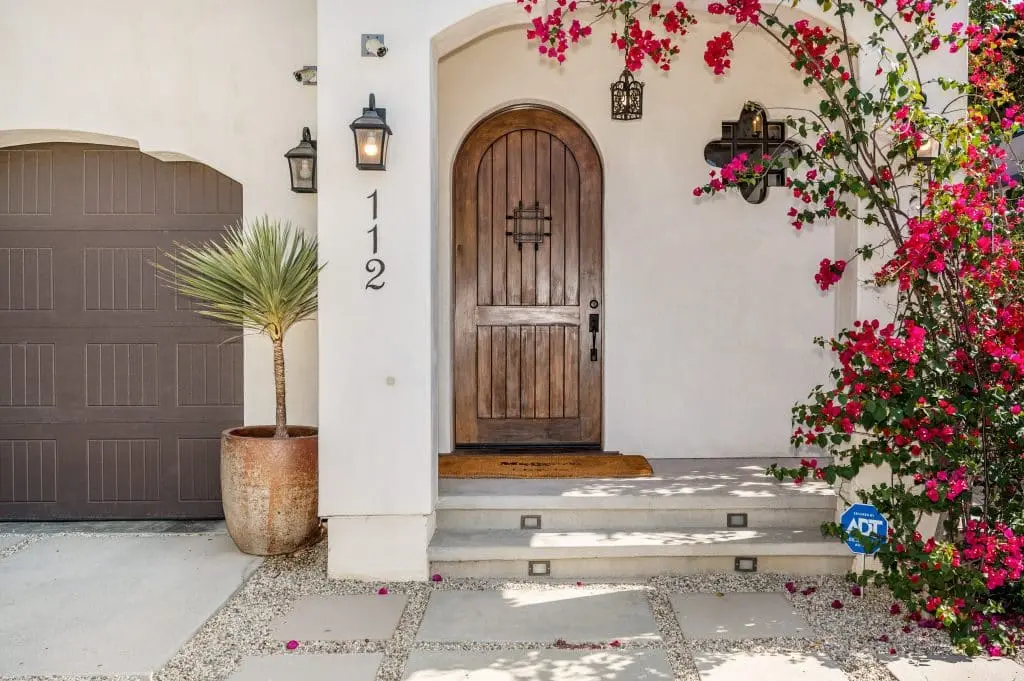
Exterior doors serve as the primary barrier between indoor comfort and outdoor elements. According to the 2026 National Association of Home Builders (NAHB) housing survey, homes with high‑efficiency front entry doors report an average of 12 % lower heating and cooling costs compared with those using standard doors. Beyond energy performance, the door’s visual impact accounts for up to 30 % of a buyer’s first impression, according to a 2025 Zillow market analysis.
Key Performance Criteria
- Thermal insulation – Measured by R‑value and U‑factor; a good exterior door should achieve an R‑value of at least 5 for cold climates.
- Air leakage – The ACH (air changes per hour) rate should be below 0.2 at 75 Pa, as recommended by the Energy Star program.
- Security – Multi‑point locking systems and reinforced frames are now standard for residential entry doors.
- Durability – Resistance to warping, rot, and impact, especially in high‑humidity regions.
Material Choices for Modern Exterior Doors
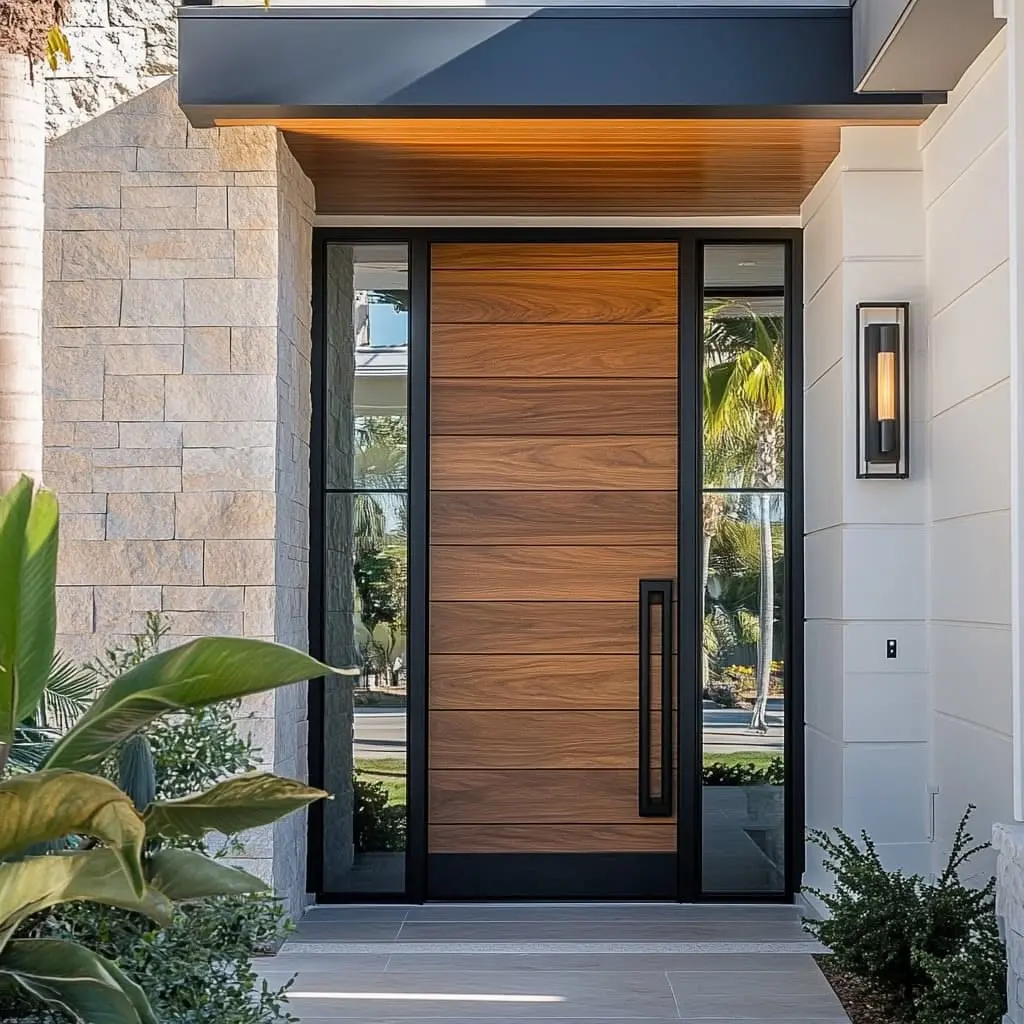
In 2026 the market offers a broader palette of weather‑resistant door materials than ever before. Below is a quick comparison of the most common options, highlighting their strengths and limitations.
Table of Contents
- Why Exterior Doors Matter More Than You Think
- Key Performance Criteria
- Material Choices for Modern Exterior Doors
- Fiberglass
- Steel
- Wood
- Aluminum
- Door Hardware Selection: Security Meets Style
- Smart Locks and Integration
- Installation Best Practices: From Frame to Finish
- 1. Precise Rough Opening
- 2. Proper Flashing and Weather Barriers
- 3. Secure Anchoring
- 4. Adjustments and Final Sealing
- Cost Considerations and Return on Investment
- Financing Options
- Common Mistakes to Avoid
- Real‑World Case Study: A Mid‑Century Modern Retrofit
- Future Trends: What to Expect in Exterior Door Design
- FAQ – Quick Answers to Common Queries
- What R‑value should a residential exterior door have?
- Can I install an exterior door myself?
- How often should exterior door hardware be inspected?
- Do exterior doors affect home insurance premiums?
- Conclusion: Making the Right Choice Today
Fiberglass
Fiberglass doors excel in energy efficiency and mimic the look of wood without the maintenance. The Fiber‑Tech Institute reports that fiberglass doors maintain structural integrity after 25 years of exposure to UV and moisture, making them ideal for coastal or high‑temperature zones.
Steel
Steel provides the highest security rating and can be insulated to meet Energy Star standards. However, it is prone to denting and rust if the protective coating is compromised, so proper primer and paint are critical in salty or industrial environments.
Wood
For heritage homes, solid‑wood doors deliver unmatched aesthetics. Modern treatments such as thermally modified wood (TMW) increase dimensional stability, reducing shrinkage by up to 70 % compared with traditional lumber, as documented by the 2025 Forest Products Laboratory.
Aluminum
Aluminum doors are lightweight and often paired with glass panels for contemporary designs. Their low thermal resistance requires a thermal break—a non‑conductive layer—otherwise the door can become a conduit for heat loss.
Door Hardware Selection: Security Meets Style
Choosing the right door hardware can dramatically affect both safety and visual appeal. Multi‑point locking mechanisms, now mandated by the International Residential Code (IRC) 2023 for high‑performance doors, provide superior resistance to forced entry. Meanwhile, decorative hardware such as brass handles or wrought‑iron hinges can reinforce a home’s architectural language without compromising performance.
Smart Locks and Integration
Smart locks are gaining traction; a 2026 Consumer Electronics Survey indicated that 38 % of new‑home owners plan to install Bluetooth‑enabled locks on their front entry doors. When selecting a smart lock, verify compatibility with existing deadbolts and ensure the lock meets ANSI/BHMA Grade 1 standards for durability.
Installation Best Practices: From Frame to Finish
Even the most premium exterior door can underperform if installed incorrectly. Below are the critical steps that guarantee a weather‑tight, energy‑efficient envelope.
1. Precise Rough Opening
The rough opening must be sized to allow a 1/8‑inch gap on each side and top for shimming. The 2026 Building Performance Institute (BPI) guidelines emphasize using a calibrated laser level to ensure plumb and level walls before framing the door.
2. Proper Flashing and Weather Barriers
Install self‑adhesive flashing tape behind the door jamb, extending it at least 6 inches onto the interior sheathing. Seal all seams with low‑VOC silicone caulk to prevent air infiltration. This method aligns with the latest ENERGY STAR “Air Sealing” recommendations.
3. Secure Anchoring
Use heavy‑duty, corrosion‑resistant screws (minimum #10 × 2.5 in) to attach the door frame to the structural stud. For steel doors, a minimum of three fasteners per jamb is required by the American Iron and Steel Institute (AISI) standards.
4. Adjustments and Final Sealing
After the door is hung, check for proper swing and latch engagement. Adjust the hinges and strike plate as needed, then apply a continuous bead of exterior‑grade caulk around the perimeter to create a seamless seal.
Cost Considerations and Return on Investment
The average cost of a mid‑range exterior door in 2026 ranges from $1,200 to $3,500, including materials, hardware, and professional installation. High‑end custom doors can exceed $7,000. However, a study by the Home Energy Rating System (HERS) found that energy‑efficient doors deliver a payback period of 4–6 years through reduced utility bills, especially in climate zones 5 and 6.
Financing Options
Many lenders now bundle exterior door upgrades into energy‑efficiency loans. The U.S. Department of Energy’s 2025 Weatherization Assistance Program (WAP) offers up to 30 % rebates for qualifying homeowners who install ENERGY STAR‑rated doors.
Common Mistakes to Avoid
- Skipping the air‑barrier test – Failing to perform a blower‑door test after installation can leave hidden leaks that erode energy savings.
- Choosing the wrong material for climate – Installing a non‑thermal‑break aluminum door in a cold region leads to condensation and heat loss.
- Neglecting hardware quality – Low‑grade locks and hinges wear out quickly, compromising security and requiring costly replacements.
- Improper sealing around the frame – Gaps larger than 1/8 inch allow drafts, moisture intrusion, and pest entry.
Real‑World Case Study: A Mid‑Century Modern Retrofit
In a 2026 remodel of a 1960s ranch home in Portland, Oregon, the homeowner replaced two outdated steel doors with high‑performance fiberglass doors featuring integrated low‑E glass panels. The project, coordinated with the Vinyl Siding 2026 guide, resulted in a 14 % reduction in heating demand, verified by a post‑retrofit HERS score of 66 (down from 81). The new doors also raised the resale value by an estimated 5 % according to the local MLS data.
Future Trends: What to Expect in Exterior Door Design
Looking ahead, manufacturers are focusing on three emerging trends:
- Hybrid Materials – Combining fiber‑reinforced polymers with wood veneers to achieve superior strength‑to‑weight ratios.
- Integrated Solar Cells – Transparent photovoltaic panels embedded in door glass, generating up to 150 W of power per door.
- Advanced Smart Integration – Door systems that communicate with home energy management platforms, adjusting ventilation based on indoor air quality sensors.
These innovations promise to further align exterior doors with sustainability goals while delivering new aesthetic possibilities.
FAQ – Quick Answers to Common Queries
What R‑value should a residential exterior door have?
For most climates, an R‑value of 5 or higher is recommended; in colder zones, aim for R‑6 to meet ENERGY STAR specifications.
Can I install an exterior door myself?
While DIY installation is possible for experienced carpenters, professional installers ensure proper flashing, shimming, and code compliance, reducing the risk of future air‑leak problems.
How often should exterior door hardware be inspected?
Inspect hinges, locks, and weatherstripping annually. Replace worn components promptly to maintain security and energy performance.
Do exterior doors affect home insurance premiums?
Yes—upgrading to reinforced steel or impact‑rated doors can lower premiums, as insurers recognize the reduced risk of burglary and storm damage.
Conclusion: Making the Right Choice Today
Investing in high‑quality exterior doors is a strategic decision that pays off in energy savings, security, and curb appeal. By selecting the appropriate material, pairing it with reliable hardware, and following meticulous installation best practices, homeowners can create a resilient envelope that stands the test of time. For a cohesive exterior upgrade, coordinate your doors with siding and other façade components, leveraging resources like our Vinyl Siding 2026 guide to maximize performance and aesthetics.
Ready to transform your entryway? Explore certified door manufacturers, request ENERGY STAR certifications, and consult a qualified installer to ensure every detail—from flashings to smart locks—aligns with the latest industry standards.
For further reading on exterior door fundamentals, see Wikipedia’s exterior door article which provides a comprehensive overview of historical designs and modern technologies.
Metadata:
