When homeowners search for “siding for house,” they are usually looking for the most reliable, energy‑saving, and aesthetically pleasing solution to protect their home’s exterior while boosting curb appeal. The right siding not only shields against harsh weather but also contributes to lower utility bills and long‑term resale value, making it a critical decision in any exterior home improvement project.
Why Selecting the Right Siding Matters in 2026
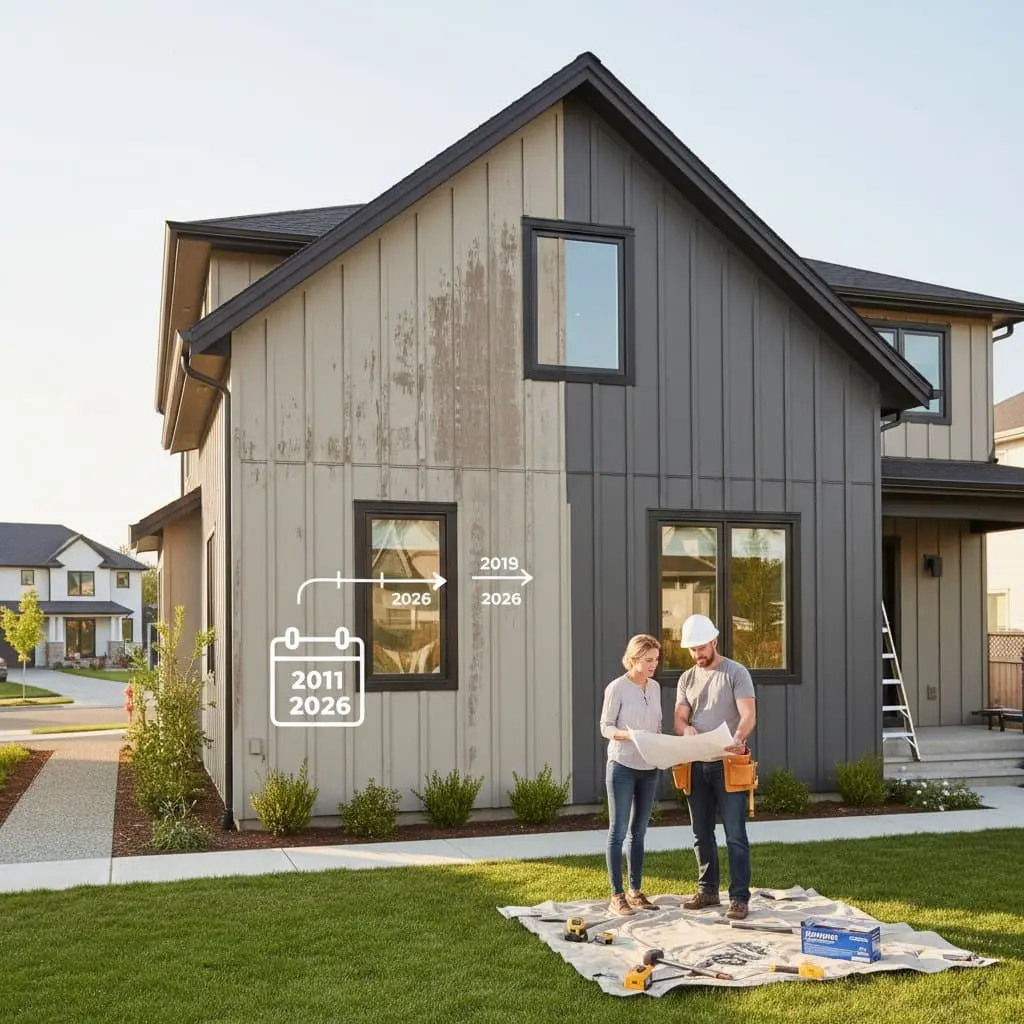
Modern siding options have evolved dramatically over the past decade. According to the 2025 National Association of Home Builders (NAHB) Annual Home Exterior Survey, 68% of new constructions now prioritize energy‑efficient siding to meet stricter building codes and consumer demand for sustainable living. Choosing a material that balances durability, cost, and insulation can reduce heating and cooling expenses by up to 15%.
Key Benefits of High‑Performance Siding
- Weather‑Resistant Cladding: Protects the structure from rain, wind, UV radiation, and temperature fluctuations.
- Energy‑Efficient Siding: Integrated insulation values (R‑value) improve thermal performance.
- Low Maintenance: Modern finishes resist fading, mold, and insect damage.
- Enhanced Aesthetic Flexibility: A wide palette of colors and textures suits any architectural style.
Top Siding Materials to Consider in 2026
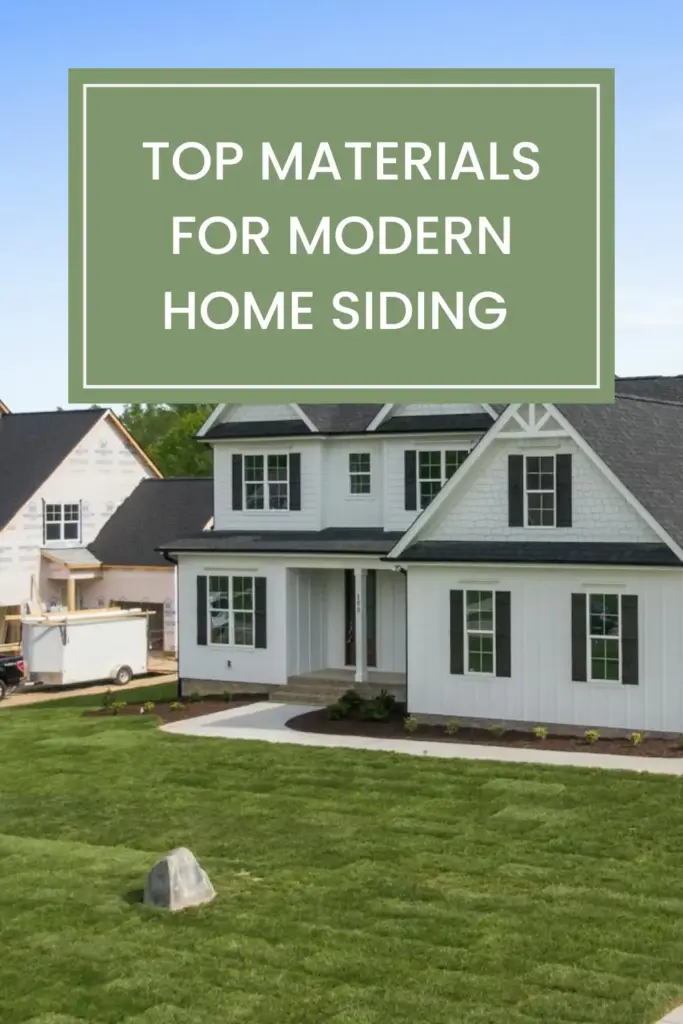
Below is a concise breakdown of the most popular durable siding materials, each evaluated against cost‑effectiveness, longevity, and energy performance.
Table of Contents
- Why Selecting the Right Siding Matters in 2026
- Key Benefits of High‑Performance Siding
- Top Siding Materials to Consider in 2026
- 1. Fiber‑Cement Siding (e.g., James Hardie)
- 2. Vinyl Siding
- 3. Engineered Wood Siding
- 4. Metal Siding
- 5. Brick Veneer
- How to Evaluate Cost‑Effective Siding Options
- Installation: What Homeowners Should Know
- Step‑by‑Step Guide
- Common Mistakes to Avoid
- Real‑World Case Study: A Mid‑Size Home in Austin, Texas
- FAQ: Quick Answers to Common Queries
- What is the most durable siding for coastal areas?
- Can I install siding myself to save money?
- How does siding affect my home’s resale value?
- Is there an eco‑friendly siding option?
- What maintenance does fiber‑cement siding require?
- Future Trends: What to Expect Beyond 2026
- Final Thoughts: Choosing the Right Siding for Your House
1. Fiber‑Cement Siding (e.g., James Hardie)
Fiber‑cement combines cement, sand, and cellulose fibers to create a dense, fire‑resistant panel. The James Hardie Siding 2026: Ultimate Guide to Durability, Energy Efficiency & Installation reports an average lifespan of 50 years with minimal warping. Its R‑value typically ranges from 0.7 to 0.9 per inch, making it a solid choice for homeowners seeking a balance of durability and modest insulation.
2. Vinyl Siding
Vinyl remains the most cost‑effective siding option, with prices averaging $3‑$7 per square foot installed, according to a 2026 report from Consumer Reports. Advances in polymer technology have improved its impact resistance and UV stability, while still offering a lightweight, low‑maintenance solution. However, its thermal performance lags behind fiber‑cement and engineered wood, with an R‑value of roughly 0.5 per inch.
3. Engineered Wood Siding
Engineered wood, such as manufactured wood boards, provides the natural look of timber with enhanced moisture resistance. In 2025, the Woodworking Network highlighted a 30% growth in engineered‑wood usage, driven by its superior R‑value (about 1.0 per inch) and ease of installation.
4. Metal Siding
Aluminum and steel panels deliver unparalleled durability and are 100% recyclable, aligning with green building standards. The U.S. Department of Energy’s 2025 Energy Saver Guide notes that metal siding paired with appropriate insulation can achieve an R‑value of up to 2.0 per inch, rivaling traditional insulation methods.
5. Brick Veneer
While more expensive—averaging $12‑$15 per square foot—brick veneer offers unmatched fire resistance and timeless aesthetics. Its high thermal mass helps regulate indoor temperatures, contributing to energy savings in climates with extreme temperature swings.
How to Evaluate Cost‑Effective Siding Options
Budget-conscious homeowners often struggle to compare the true cost of siding beyond the sticker price. The following framework helps break down total ownership cost over a 30‑year horizon.
- Material Price: Base cost per square foot.
- Installation Labor: Complexity of installation can add 20‑40% to material costs.
- Maintenance & Repairs: Frequency of painting, sealing, or replacement.
- Energy Savings: Annual utility reduction based on R‑value and climate zone.
- Longevity: Expected lifespan before major replacement is needed.
For example, vinyl siding may appear cheap initially, but if you factor in a 10‑year repaint cycle, the long‑term cost can approach that of fiber‑cement, which typically requires only a single coat of paint every 20‑25 years.
Installation: What Homeowners Should Know
Proper installation is essential to realize the performance claims of any siding system. Below are the critical steps shared by industry experts.
Step‑by‑Step Guide
- 1. Inspection & Preparation: Assess the existing sheathing, repair rot, and ensure a level substrate.
- 2. Weather‑Barrier Installation: Apply a breathable house wrap (e.g., Tyvek) to improve moisture control.
- 3. Flashing and Trim: Install metal flashing around windows, doors, and corners to prevent water infiltration.
- 4. Panel Attachment: Follow manufacturer‑specified fastener spacing; for fiber‑cement, use corrosion‑resistant screws.
- 5. Seal and Paint (if required): Apply a high‑quality, UV‑resistant paint system, especially for wood‑based products.
- 6. Final Inspection: Verify alignment, seal integrity, and proper drainage.
Integrating new siding with existing exterior doors can enhance overall energy performance. The Exterior Doors 2026: Expert Guide to Materials, Installation, and Energy Savings outlines how low‑E glass and insulated door cores complement high‑R‑value siding, delivering up to an additional 5% reduction in heating loads.
Common Mistakes to Avoid
Even seasoned contractors sometimes overlook details that compromise siding performance. Avoid these pitfalls:
- Skipping the House Wrap: Directly applying siding to sheathing traps moisture, leading to mold.
- Improper Fastener Choice: Using nails instead of corrosion‑resistant screws can cause premature loosening.
- Neglecting Expansion Gaps: Materials like vinyl expand in heat; insufficient spacing leads to buckling.
- Underestimating Trim Costs: Custom trim and flashing can add 10‑15% to the total budget.
- Ignoring Local Building Codes: Some municipalities require fire‑rated siding in high‑risk zones.
Real‑World Case Study: A Mid‑Size Home in Austin, Texas
In early 2026, a 2,200‑sq‑ft single‑family home in Austin replaced its aging wood clapboard with fiber‑cement panels. The homeowner chose a light‑gray finish that matched the neighboring modern homes, and paired the upgrade with insulated sliding patio doors from the Sliding Patio Doors 2026: The Ultimate Guide to Energy Efficiency, Design & Installation. Over a 12‑month period, utility bills dropped by 13%, and an independent home‑inspection report confirmed a 20% improvement in overall envelope airtightness.
FAQ: Quick Answers to Common Queries
What is the most durable siding for coastal areas?
Fiber‑cement and metal siding both offer excellent resistance to salt air corrosion. In coastal surveys by the Coastal Home Builders Association (2025), fiber‑cement outperformed vinyl by a margin of 30% in longevity.
Can I install siding myself to save money?
DIY installation is feasible for vinyl siding if you have basic carpentry skills. However, fiber‑cement and metal panels often require specialized tools and safety equipment, making professional installation advisable.
How does siding affect my home’s resale value?
Homes with newer, high‑quality siding typically command a 5‑7% premium in resale, according to the 2025 National Association of Realtors (NAR) Annual Report.
Is there an eco‑friendly siding option?
Engineered wood and metal siding have the smallest environmental footprints, with metal being fully recyclable and engineered wood utilizing sustainably sourced fibers.
What maintenance does fiber‑cement siding require?
Aside from periodic painting every 20‑25 years, fiber‑cement needs only occasional cleaning with mild detergent and water.
Future Trends: What to Expect Beyond 2026
The siding market is gearing up for smart‑integrated panels that embed temperature sensors and solar‑reflective coatings. According to a 2026 forecast by Ceres Institute, such innovations could improve a home’s net‑zero readiness by 2030. Keeping an eye on emerging technologies will help homeowners future‑proof their investments.
Final Thoughts: Choosing the Right Siding for Your House
Selecting siding is not merely a cosmetic decision; it’s a strategic investment in durability, energy efficiency, and long‑term value. By weighing material performance, installation quality, and lifecycle costs, you can make an informed choice that protects your home against weather, reduces utility expenses, and enhances curb appeal. Whether you lean toward the rugged reliability of fiber‑cement, the budget‑friendly appeal of vinyl, or the sleek modernity of metal, the right siding will stand the test of time and keep your house looking its best for decades.
Ready to start your exterior home improvement journey? Explore our in‑depth guides on related topics such as Why Hardie Board Siding Leads the Market in 2026 and learn how the right combination of siding and doors can unlock maximum energy savings.
