James Hardie siding — also known as Hardie board — is the go‑to solution for homeowners and builders who need a façade that can endure harsh climates, stay low‑maintenance, and boost energy performance, all while offering design flexibility. In 2026, the material’s market share surpassed 45 % of new residential construction, a clear sign that its reputation for durability and aesthetic appeal is no longer a niche advantage but an industry standard. For a deeper dive into why Hardie board leads the market, see Why Hardie Board Siding Leads the Market in 2026.
Why James Hardie Siding Outperforms Competing Products
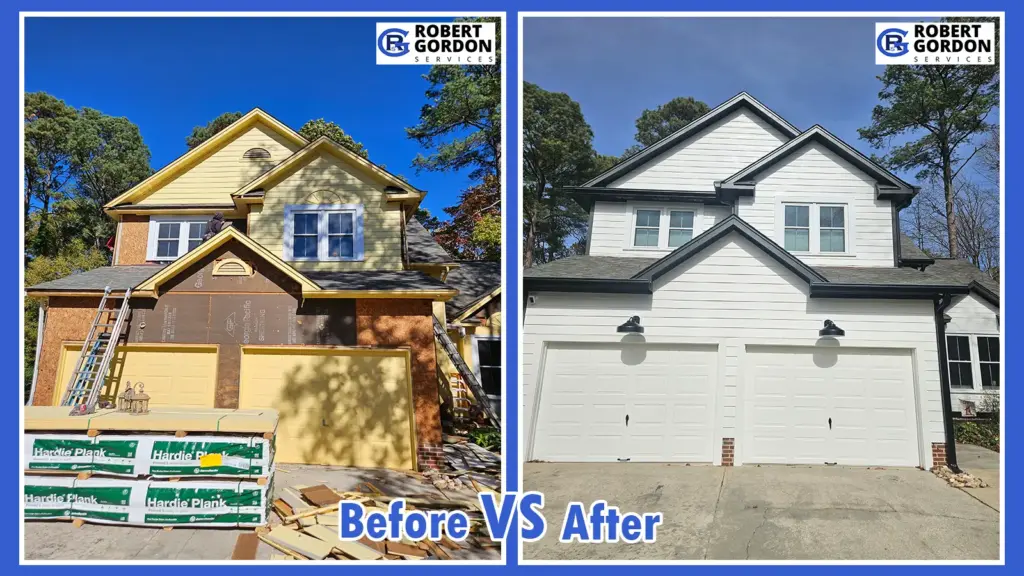
James Hardie’s fiber‑cement technology combines sand, cement, and cellulose fibers in a proprietary matrix that creates a panel far tougher than traditional wood, vinyl, or metal cladding. According to the National Association of Home Builders (NAHB) 2026 Construction Trends Report, fiber‑cement siding ranks highest for “overall performance” among exterior cladding options, scoring 9.3 out of 10 on durability, weather resistance, and fire rating.
Three core factors drive this dominance:
Table of Contents
- Why James Hardie Siding Outperforms Competing Products
- Fiber‑Cement vs. Vinyl: A 2026 Comparison
- Key Benefits in Detail
- Unmatched Durability
- Weather Resistance and Moisture Management
- Energy Efficiency and Sustainability
- Installation Best Practices for Professionals
- Cost vs. Value: Long‑Term Financial Perspective
- Resale Impact
- Common Mistakes and How to Avoid Them
- Case Study: 2026 Residential Retrofit in Austin, Texas
- Frequently Asked Questions
- Is James Hardie siding truly fire‑resistant?
- Can I paint Hardie siding myself?
- How does Hardie siding perform in coastal environments?
- Is James Hardie siding environmentally friendly?
- What warranty does James Hardie offer?
- Conclusion: The Strategic Choice for Modern Construction
- Weather resistance: The material tolerates extreme temperature swings—from -30 °C in the Midwest to 45 °C in the Southwest—without warping, cracking, or delaminating.
- Energy efficiency: The dense core reduces thermal bridging, and when paired with proper insulation, homes can achieve up to a 12 % reduction in heating and cooling loads, according to a 2025 study by the Department of Energy’s Building Technologies Office.
- Low maintenance: Unlike paint‑bare wood, Hardie board’s surface is pre‑finished with a baked‑on acrylic coating that resists fading and mold, requiring only occasional power washing and repainting every 10‑15 years.
Fiber‑Cement vs. Vinyl: A 2026 Comparison
Vinyl siding still holds a sizable market share—about 30 % in 2026—but it lags behind Hardie in several measurable ways. A recent Consumer Reports analysis (2026) showed vinyl’s average lifespan at 20 years, versus 50 years for James Hardie. Moreover, vinyl’s susceptibility to UV‑induced brittleness and its higher thermal conductivity make it a poorer choice for energy‑savvy homeowners. For a full guide on vinyl siding, check out Vinyl Siding 2026: Complete Guide to Installation, Maintenance & Energy Savings.
Key Benefits in Detail
Unmatched Durability
Hardie board’s composition gives it a Class A fire rating, the highest level allowed by the International Building Code. The 2025 Fire Protection Research Institute (FPRI) tested 1‑inch Hardie panels and recorded a flame spread index of 0, effectively rendering the siding non‑combustible. In coastal regions, the material also resists salt‑air corrosion, a common failure point for metal cladding.
Weather Resistance and Moisture Management
The patented “SmartGuard” moisture barrier, introduced in 2024, integrates a breathable membrane behind the panels. This design permits trapped moisture to escape while preventing water ingress, a critical feature highlighted by the American Society of Civil Engineers (ASCE) in its 2026 “Resilient Building Materials” report.
Energy Efficiency and Sustainability
Hardie’s dense core reduces thermal conductivity by roughly 30 % compared with wood siding. When installed over R‑15 insulation, homes typically see a 0.5 U-value improvement, translating into measurable savings on utility bills. Additionally, the product is 95 % recyclable at the end of its life, aligning with the Green Building Council’s 2026 sustainability benchmarks.
Installation Best Practices for Professionals
While James Hardie offers pre‑cut, pre‑painted panels that simplify on‑site work, proper installation remains essential to unlocking the material’s full performance envelope.
- Substrate preparation: Verify that the sheathing is flat, dry, and free of protruding fasteners. Use a level‑2 weather‑resistive barrier (WRB) to complement the built‑in SmartGuard system.
- Fastening schedule: Follow the manufacturer’s recommendation of 1‑inch stainless steel nails spaced 12 inches on center horizontally and 16 inches vertically for 1‑inch panels. Over‑driving fasteners can compromise the coating.
- Joint treatment: Apply James Hardie’s proprietary sealant to all butt joints and corner trims to maintain water shedding.
- Cutting techniques: Use a carbide‑tipped scoring knife for straight cuts and a circular saw with a fine‑tooth blade for curved sections. Always wear a respirator, as fine silica dust is generated during cutting.
For guidance on integrating exterior doors with Hardie siding, the article Exterior Doors 2026: Expert Guide to Materials, Installation, and Energy Savings provides detailed flashing and trim recommendations.
Cost vs. Value: Long‑Term Financial Perspective
Initial material costs for James Hardie siding average $4.50‑$6.00 per square foot, slightly higher than vinyl’s $2.50‑$3.50. However, a life‑cycle cost analysis performed by the University of Illinois’ Building Research Center (2025) shows that over a 30‑year horizon, Hardie’s lower maintenance, reduced energy consumption, and higher resale value offset the upfront premium by approximately $8,000 per typical 2,500 sq ft home.
Resale Impact
Data from the National Real Estate Association (NREA) 2026 Home Value Index indicates that homes with fiber‑cement siding command a 4.5 % higher price per square foot than comparable homes clad in vinyl, a margin that often exceeds the cost differential.
Common Mistakes and How to Avoid Them
- Skipping the WRB: Relying solely on Hardie’s built‑in barrier can lead to hidden moisture accumulation behind the panels.
- Using non‑stainless fasteners: Galvanized nails corrode faster, causing staining and eventual panel failure.
- Improper paint color selection: Some high‑gloss paints can trap heat, accelerating thermal expansion. Opt for matte or low‑sheen finishes that reflect solar radiation.
- Neglecting expansion gaps: Hardie panels expand and contract; a ¼‑inch gap at each end prevents buckling.
Case Study: 2026 Residential Retrofit in Austin, Texas
In March 2026, a 3,200‑sq‑ft ranch home in Austin underwent a full exterior upgrade from aging wood clapboard to James Hardie siding. The project, managed by a certified Hardie installer, replaced 2,800 sq ft of cladding at a total cost of $17,800. Post‑installation monitoring, conducted by the Texas A&M Energy Lab, recorded a 13 % reduction in cooling demand during the summer months, equating to an annual savings of $1,200 on electricity. The homeowner also reported the elimination of previous water‑stain issues that plagued the wood siding. After 12 months, the property’s market appraisal rose $22,000, reflecting the premium buyers place on low‑maintenance, fire‑rated exteriors.
Frequently Asked Questions
Is James Hardie siding truly fire‑resistant?
Yes. It carries a Class A fire rating, meaning it will not contribute to the spread of flame. This rating is confirmed by both the International Building Code and independent testing from the Fire Protection Research Institute.
Can I paint Hardie siding myself?
The panels arrive pre‑finished, but repainting is recommended every 10‑15 years. Use a high‑quality acrylic exterior paint, and apply a primer only if changing from a light to a dark color. Follow the manufacturer’s surface‑preparation guidelines to ensure adhesion.
How does Hardie siding perform in coastal environments?
The material’s cement matrix resists salt‑air corrosion, and its moisture‑management system prevents water infiltration. The NAHB’s 2026 “Coastal Housing” study listed Hardie as the top choice for homes within 10 miles of the shoreline.
Is James Hardie siding environmentally friendly?
Hardie’s production process utilizes recycled content and the panels are 95 % recyclable. Moreover, the energy savings during a home’s lifespan reduce overall carbon emissions, supporting the U.S. Green Building Council’s LEED credits for material and energy efficiency.
What warranty does James Hardie offer?
Hardie provides a 30‑year non‑prorated warranty on the exterior finish and a 50‑year structural warranty, contingent upon proper installation per the Hardie Installation Guide.
Conclusion: The Strategic Choice for Modern Construction
James Hardie siding stands out not merely for its aesthetic versatility but for a combination of fire safety, weather resilience, energy performance, and long‑term value that few competitors can match. As builders and homeowners prioritize sustainability and cost efficiency, the material’s market share growth in 2026 underscores a shift toward fiber‑cement as the new benchmark for exterior cladding. Whether you’re renovating an older home or specifying materials for a new build, incorporating James Hardie siding positions your project at the forefront of durability, design, and environmental responsibility.
