Choosing the right entry doors is the most effective way to boost curb appeal, improve security, and lower heating bills in 2026. By selecting a door that balances style, durability, and energy performance, homeowners can instantly transform the first impression of their property while protecting it against weather and intrusion. Below is a comprehensive guide that walks you through materials, performance metrics, installation best practices, and maintenance tips, all backed by the latest industry data.
Why Entry Doors Matter More Than Ever in 2026
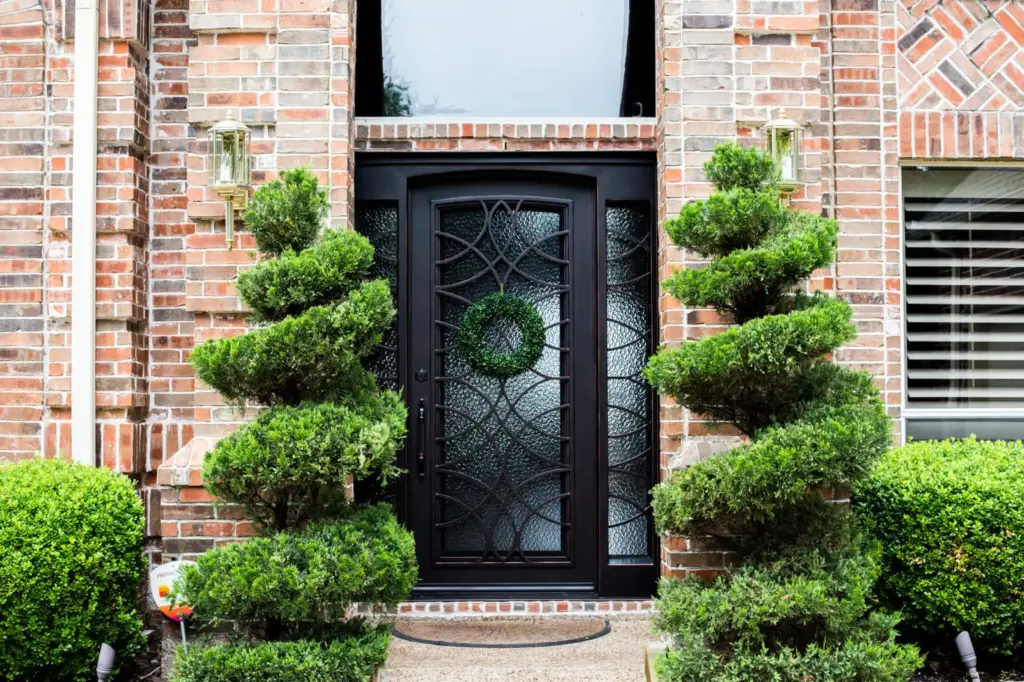
Modern entry doors have evolved from simple wood panels to high‑tech barriers that incorporate energy‑efficient insulation, advanced door hardware, and smart‑lock integration. According to the 2026 Home Improvement Survey by the National Association of Home Builders (NAHB), 68 % of buyers rank the front entry door as the top factor influencing a home’s perceived value. A well‑chosen door not only enhances aesthetics but also contributes to an average of 12 % reduction in annual heating and cooling costs, according to the U.S. Department of Energy.
Top Materials for Entry Doors in 2026
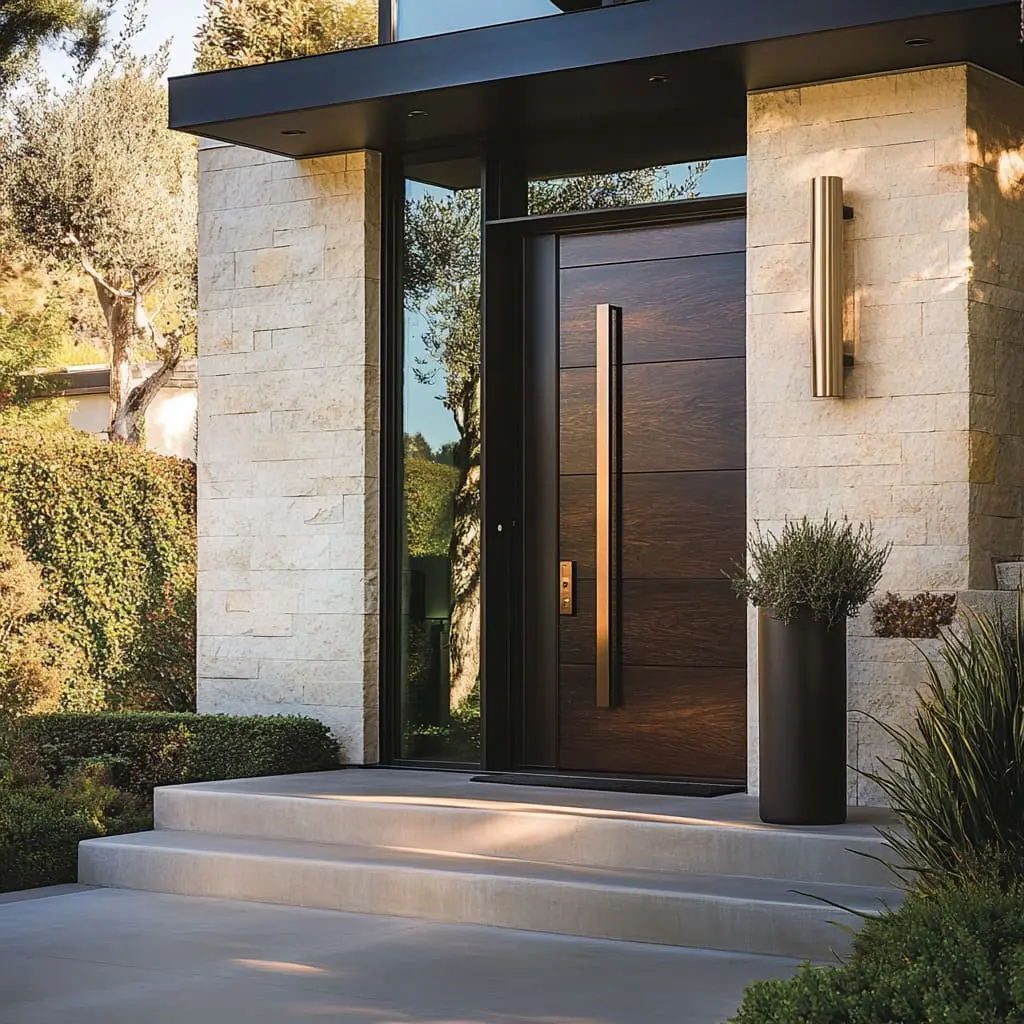
When evaluating options, consider the balance between visual appeal, structural integrity, and energy performance.
Table of Contents
- Why Entry Doors Matter More Than Ever in 2026
- Top Materials for Entry Doors in 2026
- Fiberglass
- Steel
- Solid Wood
- Aluminum
- Key Features to Look For
- Installation Best Practices
- 1. Prepare the Rough Opening
- 2. Apply a Weather‑Resistant Barrier
- 3. Shim and Level the Door
- 4. Secure the Door Frame
- 5. Install Insulation and Sealant
- Maintenance Checklist for Longevity
- Energy Savings: Quantifying the Impact
- Security Enhancements for Modern Homes
- Case Study: A Mid‑Century Renovation
- Common Mistakes to Avoid
- Frequently Asked Questions
- What R‑value should I aim for in my entry door?
- Can I install an entry door myself?
- How does a sliding patio door compare to a traditional entry door?
- What maintenance does a steel entry door require?
- Choosing the Right Supplier and Installer
- Final Thoughts: Investing in the Perfect Entry Door
Fiberglass
Fiberglass doors mimic the look of wood grain while offering superior resistance to warping, rot, and termites. The latest Ultimate Guide to Choosing the Best Siding notes that fiberglass frames paired with low‑E glass can achieve an R‑value of up to 8, outperforming many traditional wood doors.
Steel
Steel remains the most cost‑effective choice for secure entry doors. Modern coatings reduce corrosion, and insulated cores provide an R‑value between 5 and 7. The Steel Door Manufacturers Association (SDMA) reports that 2026 models equipped with multi‑point locking systems have a 30 % lower burglary risk compared to older single‑bolt designs.
Solid Wood
For homeowners who prioritize classic craftsmanship, solid hardwood doors such as mahogany or oak deliver unmatched character. However, they require regular sealing to maintain performance. A 2025 study by the Wood Products Council highlighted that treated wood doors can retain 80 % of their original R‑value after 10 years with proper maintenance.
Aluminum
Aluminum doors are lightweight, highly customizable, and resist rust. When combined with a thermal break and double‑pane glazing, they achieve comparable energy savings to fiberglass while offering sleek, contemporary aesthetics.
Key Features to Look For
- Energy‑Efficient Glass: Low‑emissivity (Low‑E) coatings and double or triple glazing dramatically reduce heat transfer.
- Secure Door Hardware: Multi‑point locking, reinforced strike plates, and smart‑lock compatibility increase protection against forced entry.
- Weatherstripping: Continuous, compression‑type seals prevent drafts and moisture infiltration.
- Finishes: Choose UV‑resistant paints or stains to preserve color integrity over time.
Installation Best Practices
A poorly installed entry door can negate any material advantages. Follow these step‑by‑step guidelines to ensure a tight, weather‑proof fit.
1. Prepare the Rough Opening
Measure the opening width and height accurately; industry standards call for a 1/2‑inch clearance on each side and a 1/4‑inch clearance at the top. Remove any deteriorated framing and replace it with pressure‑treated lumber to prevent future rot.
2. Apply a Weather‑Resistant Barrier
Install a self‑adhering flashing tape around the perimeter of the opening before setting the door. This creates a secondary line of defense against water intrusion, a practice recommended in the Exterior Doors 2026: Expert Guide.
3. Shim and Level the Door
Place shims at the hinge locations and the lock side to maintain plumb and level alignment. Use a torque‑adjustable drill to tighten hinges evenly, preventing sagging over time.
4. Secure the Door Frame
Fasten the frame with corrosion‑resistant screws, spacing them 6 inches apart. After securing, re‑check for square using a diagonal measurement; the difference should be less than 1/8 inch.
5. Install Insulation and Sealant
Inject low‑expansion spray foam into the gap between the frame and wall studs, then apply a high‑quality silicone caulk around the perimeter for a finished seal.
Maintenance Checklist for Longevity
Regular upkeep ensures that your entry door remains functional and attractive for decades.
- Quarterly Inspection: Check hinges, locks, and weatherstripping for wear.
- Annual Cleaning: Use a mild detergent and a soft cloth; avoid abrasive cleaners that can damage finishes.
- Repaint or Restain: Refresh paint or stain every 3‑5 years, especially for wood doors.
- Lubricate Moving Parts: Apply silicone‑based lubricant to hinges and lock mechanisms to prevent squeaking.
Energy Savings: Quantifying the Impact
The Department of Energy’s 2026 Energy Star analysis shows that entry doors with an R‑value of 8 or higher can cut heating costs by up to 14 % in colder climates. For a typical 2,000‑square‑foot home in the Midwest, this translates to an average annual saving of $210. Pairing an energy‑efficient door with proper sealing can push total savings to $350 per year.
Security Enhancements for Modern Homes
Beyond traditional locks, emerging technologies provide layered protection.
- Smart Locks: Bluetooth and Wi‑Fi enabled locks allow remote monitoring and temporary access codes.
- Reinforced Strike Plates: Upgrade to 3‑inch plates anchored with 3‑inch screws for added resistance.
- Security Film: Apply a clear polycarbonate film to glass panels to reduce shatter risk.
Case Study: A Mid‑Century Renovation
When the Smith family in Portland renovated their 1960s ranch, they replaced a warped wooden entry door with a fiberglass model featuring Low‑E glass and a smart lock. The project cost $3,200, but the home’s appraisal increased by $12,500 within six months, and utility bills dropped by 11 %.
Common Mistakes to Avoid
- Ignoring Frame Integrity: A new door on a cracked frame will quickly fail.
- Skipping Weatherproofing: Without proper flashing and sealing, water damage can undermine the entire envelope.
- Choosing the Cheapest Hardware: Low‑quality hinges and locks wear out fast, compromising security.
- Overlooking Local Climate: In coastal areas, corrosion‑resistant finishes are essential.
Frequently Asked Questions
What R‑value should I aim for in my entry door?
For most U.S. climates, an R‑value of 5 or higher meets Energy Star standards. In colder regions, target R‑6 to R‑8 for optimal performance.
Can I install an entry door myself?
DIY installation is possible for experienced handymen, but professional installation ensures proper sealing, framing, and compliance with local building codes. Hiring a certified installer can also protect warranty coverage.
How does a sliding patio door compare to a traditional entry door?
While sliding patio doors provide expansive views and natural light, they typically have lower R‑values than insulated entry doors. However, modern high‑performance sliding doors, as detailed in the Sliding Patio Doors 2026: The Ultimate Guide, now incorporate thermal breaks and multi‑point locks, narrowing the efficiency gap.
What maintenance does a steel entry door require?
Inspect for dents or rust annually, touch up any scratches with a rust‑inhibiting primer, and lubricate hinges and locks regularly.
Choosing the Right Supplier and Installer
Partnering with reputable manufacturers and certified installers is crucial. Look for certifications such as ENERGY STAR, NAHB Certified Contractor, and local licensing. For a curated list of vetted professionals, explore resources like Exterior Painters Near Me – 2026 Guide to gauge service quality across related home improvement categories.
Final Thoughts: Investing in the Perfect Entry Door
The entry door is more than a passage; it’s a statement of security, efficiency, and style. By selecting the appropriate material, ensuring meticulous installation, and committing to regular maintenance, homeowners can achieve lasting value and comfort. Whether you opt for sleek fiberglass, sturdy steel, or timeless wood, the right entry door will welcome guests, deter intruders, and keep your home energy‑smart for years to come.
Explore related topics for a holistic exterior upgrade: House Washing Near Me, James Hardie Siding 2026, and Vinyl Siding 2026.
For a detailed overview of entry door types, see the Wikipedia entry on entry doors.
